Featured Public Engagement
Click on a title to expand/collapse the box.
Allister Chang and Raul Echevarria: The economics underneath DC’s childcare system are breaking down
DC Council Performance Oversight Hearing, Committee of the Whole:
Testimony to the DC Council
March 1, 2023
Raúl Echevarría
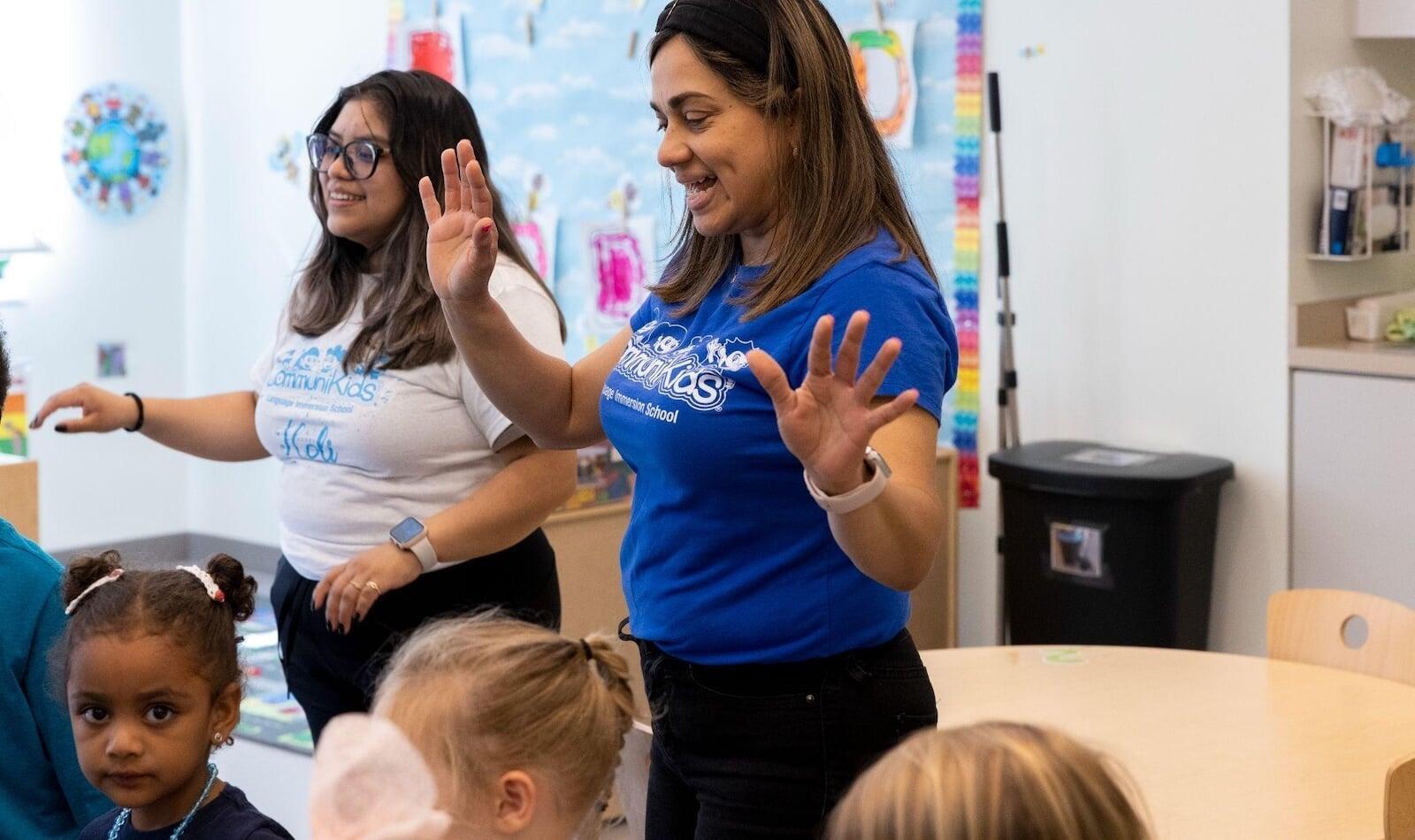
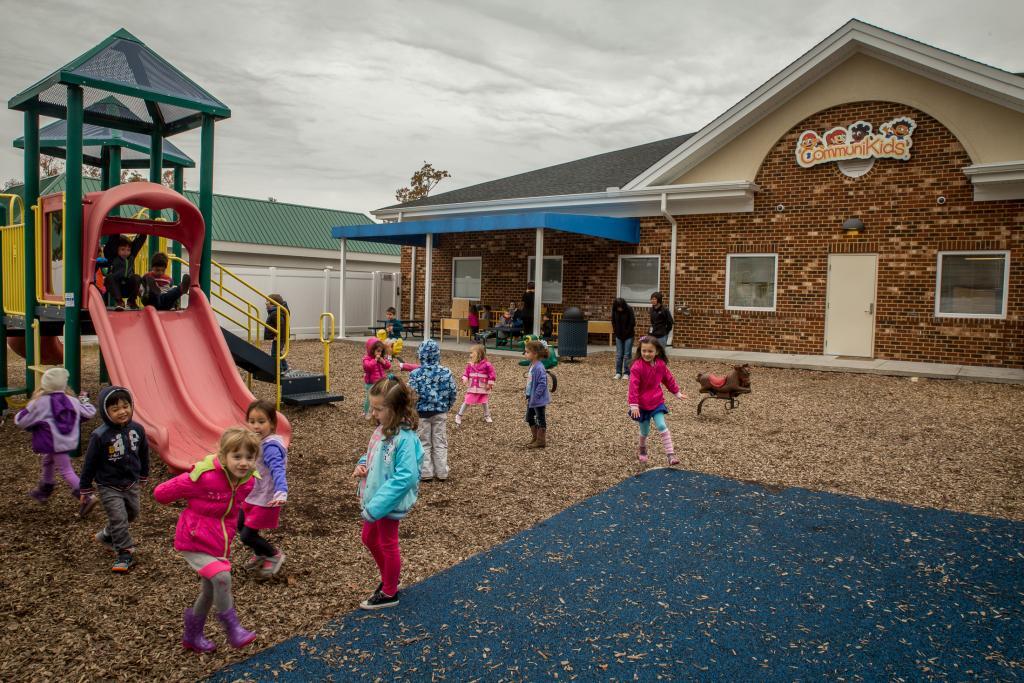
Hello Council Members. My name is Raúl Echevarría and I am Co-Founder, CEO and President of CommuniKids Preschool. CommuniKids is a full-day, full-year, high quality early childhood education program in Ward 3 serving over 400 children and their families from 18 months through Pre-K 4. Since 2009 we have been a major provider of Toddler, Pre-K 3, and Pre-K 4 services in our neighborhood. For 15 years we have proudly provided affordable access to high quality Early Childhood Education to hundreds of families who have come to depend on our services and have become one of the largest Community Based Organization providing free universal preschool in DC.
Over the last decade the District has become a leader in providing access to high quality early childhood education and has developed remarkable initiatives to ensure that our families enjoy the highest level of early childhood education services in the nation. Among these initiatives the Pre-K Enhancement and Expansion Program (PKEEP) and the Early Childhood Educator Pay Equity Fund (PEF) stand out.
PKEEP has created an extraordinary mixed- delivery system that provides free universal Pre-K to district children. Indeed, the latest figures from OSSE in its Fiscal Year 2020 Pre-K Report shows that PKEEP enrolled 78% of eligible three-and four-year-olds during the 2019-2020 school year. This an extraordinary achievement that should be celebrated. Alongside PKEEP, the PEF has created pay parity between early childhood educators and public-school teachers. This fund has become a lifeline for educators, and the entire early childhood care and education sector after the havoc created by the COVID-19 pandemic. Between February 2020 and November 2022 thousands of child development centers have closed its doors and as many as 71,000 early childhood educators have left the field nationwide. This has led to countless hours of learning loss for young children. The PEF has been a bulwark helping to sustain student learning and stabilize the District’s essential early childhood education workforce and neighborhood childcare and early education providers.
Yesterday we learned that Mayor Bowser’s proposed budget would impose savage cuts to the District’s early childhood education community. These cuts would impose close to $300 million in cuts to the District early childhood programs. Indeed, the budget cuts millions in PKEEP funds, Childcare and Early Education Subsidies for district families, and eliminates the early educator pay equity fund. If enacted, these cuts would significantly reduce the number of free preschool seats, increase the cost of childcare to families and leave our city’s early childhood workers earning poverty wages. These cuts would wreak havoc on DC’s childcare and early education infrastructure and could lead to a severe shortage of affordable care in the nation’s capital.
The District’s budget should not be balanced on the backs of our early childhood educators and families with young children. Mayor Bowser’s plan disproportionately targets early childhood education for cuts. Indeed, it cuts close to $300 million in early childhood programs while increasing DCPS’ facilities budget by over $200 million. These savage cuts place an undue burden on the shoulders of some of the most vulnerable members of our society young children, families, and caregivers (mostly women of color). This is unfair and cannot stand.
At CommuniKids Preschool our teaching is guided by the values, tolerance, solidarity, and responsibility. We believe these values are essential to living in community and the development of good citizenship. We understand that citizens need to help each other, be responsible, and when necessary, share the burden to make sure we all have a chance at a better life. We cannot let budget shortfalls mortgage the future of our community. As such, we demand that the Council act responsibly and fairly towards our teachers, families and students by preserving funding to PKEEP, PEF and Childcare and Early Education Subsidy programs.
Thank you for your time. I am happy to answer any questions.
Promoting Economic Growth Through Free High Quality Early Childhood Education
MomsRising, September 1, 2017
The high cost of early childhood education (ECE) is a major national problem, and District families are under particular pressure. As of 2016, D.C. families spent on average $22,658 per year on ECE services—approximately 35 percent of median household income—on par with what many pay for housing. This cost puts high quality preschool out of reach for most city families. The dearth of affordable ECE options has been a drag on the District’s economy for decades. As young families leave the city to find less expensive, higher quality educational options for their children, the city’s tax base is eroded and the overall competitiveness of the Capital is adversely impacted. The scarcity of options also leads to an achievement gap between children who have access to high quality educational/care situations and those who do not. This, in turn, leads the District to spend more on special education and other remediation than it otherwise would have. ...
Selecting a Quality Foreign Language Program
Washington Family Magazine, Fall 2011
Raúl Echevarría
Parents are always looking to provide their children with activities that enrich their lives. Soccer and piano lessons are typical options. Lately, foreign language classes have been added to the list.
Why have foreign language classes become popular? Because children in effective early second language programs show gains on standardized tests and derive additional cognitive, social, and emotional benefits. Moreover, recent studies have found that early childhood is the best time to begin learning a new language.
A few years ago it wasn’t easy to find high quality foreign language options for young children. Today, parents have many options: weekly classes, language camps, or even language immersion preschool programs. How do parents decide what kind of program is right for their children.
Here are some guidelines to support the decision-making process:
Start early. Is the program you are considering well suited to teach your toddler or young child? Studies have shown that the human brain is more open to learning languages in the period from birth to early childhood. Look for a program that provides developmentally appropriate activities to engage and motivate your child in language learning.
Think long-term. Is the program you are considering able to accommodate your child as he/she grows? Developing fluency in a new language takes time. The average student takes seven years to develop advanced skills that allow for academic work in a new language. Moreover, to encourage fluency, experts recommend that young children attend a minimum of three forty-minute classes per week. Seek a program that will challenge and “grow” with your child.
Think strategically. School and other obligations may conspire to derail your child’s foreign language education. Look at the variety of instructional options offered by the program you are considering. Does it offer weekly classes exclusively? Is there a preschool option? Does it offer a summer camp or other intensive immersion options? Seek programs that offer instructional variety. These will allow you to adjust your child’s language education to suit your family’s needs.